Lelo does a really fabulous job of breaking down their best ‘how-to-use this toy’ into 3 easy steps, so I’ll list those here and add my own comments on them, too. LELO’s website says that the SONA 2 Travel is meant to “provide immediate orgasmic assistance anywhere you go,” and I can tell you that they accomplished this mission. It’s only 3.4 inches in total and has a travel lock, so you don’t have to worry about it going off while in the security line at the airport or in the car on a road trip with your family. It’s a tiny toy intended to be discreet and easy to pack with you as you travel around, and sometimes, when the toy gets that small or is meant for travel, it can lose some of its… juuj.
I Tried the LELO SONA 2 Travel, and It's Perfect For Travel - POPSUGAR
I Tried the LELO SONA 2 Travel, and It's Perfect For Travel.
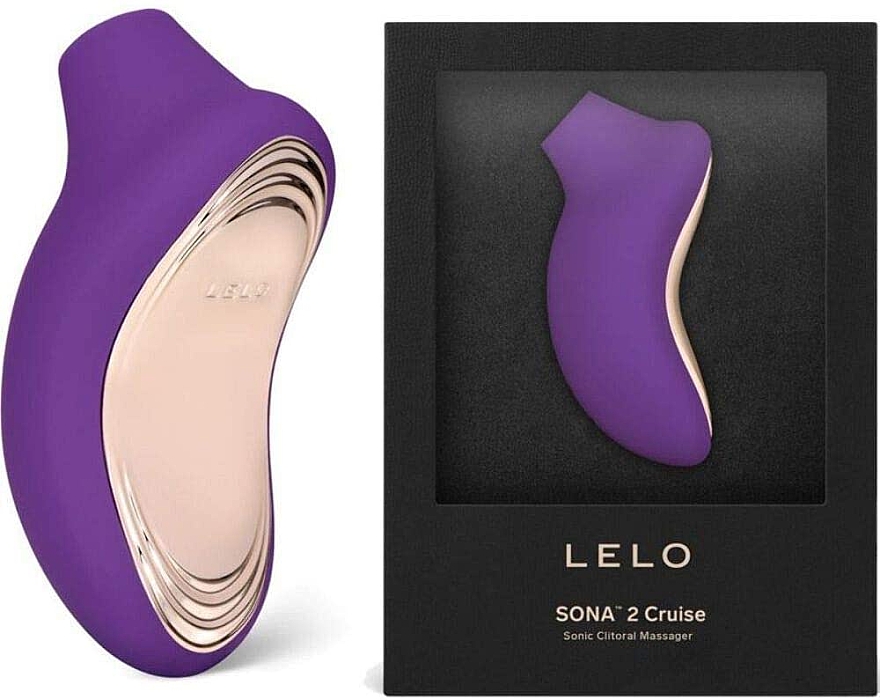
SONA 2 CRUISE is a pleasure toy which combines all the best features of LELO's technology, innovation and pleasure-making. This is sonic massager that stimulates 75% more of the user's clitoris and not only on the outside - its impact can be felt even deeper underneath. SONA 2 CRUISE is an ultimate LELO's upgrade because it has all the best features so far. It operates with Cruise Control technology, which means that when it's pressed hard against body it won't drop its power, which eventually delivers perfectly consistent, complication-free experience. It's not a setting, it's completely automatic and it's made for the best experience.
LELO 12 Function Sonic Clitoral Massager - SONA 2 Cruise
Lastly, same as all LELO toys, it comes with 1-year warranty that is easy to register at lelo.com/support. SONA™ 2 Cruise uses gentle sonic waves instead of conventional vibrations for clitoral stimulation. This allows for an entirely new approach to pleasure, capable of generating multiple orgasms at once. It also features LELO's patented Cruise Control™ technology that ensures no drop in intensity when you wish to press it hard against the body for an intense, deep release. With twelve pleasure settings and a smooth design made out of premium body-safe silicone, SONA™ 2 Cruise is your best bet when it comes to clitoral stimulation.
An oral sex stimulator you can set to cruise control
Measuring at just 8.7cm long, it’s small enough to fit into the palm of your hand. Like all LELO toys, it's ergonomically designed with a stylish silhouette. It retains the original SONA 2’s key feature of 12 different settings. It’s USB rechargeable and made from biocompatible silicone and is retailing at £89.
about Boots
So when LELO sent me the SONA 2 Travel, I added it to my pile of things to try, and when I finally got to it, I was so upset at myself for waiting so long. From the West (Tampa International Airport)- Take I-275 North. Disabled or chronically sick people can claim VAT relief on purchases for personal or domestic use that are applicable to their disability or sickness. This water-based lube from LELO is almost as slick and long-lasting as a silicone lube.
You might have encountered ribs or studs on condoms before, but these Lelo Hex Condoms will be a singular experience on account of their design. They're ultra-thin and meant to mold to the wearer’s shape and transmit more body warmth, plus their unique honeycomb-like texture may offer some extra stimulation, for a more sensual experience between partners. East Adamo Drive/Hwy 60 will turn into Channelside Drive/13th Street. Bear to the left and follow signs for the Florida Aquarium/Seaport Terminal.
LELO 12 Function Sonic Clitoral Massager- SONA 2 CruiseEveryone should be able to enjoy intimate, personal pleasure to its fullest limits. It's a universal human right, one that deserves respect, support and protection. That was the reason LELO was founded back in 2003, as a Swedish luxury brand that aimed to transform an entire industry. With waves of complete satisfaction resonating all around, a unique and deeply satisfying orgasm is at your fingertips. What's more, Cruise Control keeps your pleasure exactly right.Refined and perfected, SONA 2 sends gentle sonic waves through the entire clitoris for even more resonant pleasure. Another distinguishing feature is the “mouth” of the toy, which is made of firmer silicone than the others and protrudes out more.
Product details
Take Crosstown Expressway west (toward Tampa). Take 22nd Street north exit (Port of Tampa/Ybor City). Midway down Florida's west coast, Tampa is within a four-hour drive of Tallahassee, Miami and Jacksonville. The city is home to a number of attractions and theme parks, including Busch Gardens Tampa Bay, Adventure Island, ZooTampa at Lowry Park and The Florida Aquarium. Lovers of the arts can visit The David A. Straz, Jr. Center for the Performing Arts, the Tampa Museum of Art and the USF Contemporary Art Museum.
Instead of the cutesy bunny ears that jut out on most rabbits, the Soraya 2 has a slim, flexible arm that feels extremely accessible. At roughly two inches in length, it should be adequate for most to use for clitoral massage while also exploring internal play, too. Like most Lelo toys, it’s also waterproof, so it’s great if you want to add a little more splish to your splash. And it operates at a whisper-quiet level, so discretion will always be the name of the game. The Lelo SONA™ 2 Travel really surprised me. It was in my head as just another good clitoral toy and quickly went into my personal top 5.
The Florida Orchestra also is based in the Tampa Bay area. For those looking to get outdoors, opt for paddleboarding, canoeing or kayaking on Tampa Bay, or soak up the sun on some of the region's top-notch beaches. Please choose a colour or size before adding this product to your favourites.
This toy uses air pulse technology to simulate the experience of receiving oral sex. You probably know by now that one of the perks of my job is testing out tons of sexual wellness products. Honestly, sometimes they can pile up so high that I wind up saying no to some, or it takes me months to try all of them. Your girl only has so much time and energy for a focused review session ;-).
The vibrating head adds some heft to the toy itself but it can be surprisingly lightweight for the wearer. Plus, it’s completely waterproof, so you could use this during a bath or shower to make it more titillating. Lelo's Sona 2 Cruise is the biggest step forward in pleasure in the past decade. Using patented SenSonic technology, this unique toy makes the pulsations constant during use, so when it’s pressed hard against the body extra power is unleashed for an intense, deep release. The Sona 2 Cruise is completely automatic, ensuring zero reduction in intensity. This sonic massager delivers fast yet gentle sonic waves for mind-blowing satisfaction, every single time.
Katie Nicholls is a sexual health and well-being journalist who’s always interested in the latest developments in this ever-changing and fast-growing field. Katie also writes about music, interiors and food and has had articles published in The Guardian, MOJO and Kerrang!. When she’s not crafting copy, she can be found indulging in one of her passions that include painting abstract art, cooking, strength training and running. Use with LELO Personal Moisturizer for the feeling of ultimate sexual wellness. This product is temporarily unavailable online. Use ‘Find in store’ below to see if it’s in stock near you.
SONA 2 CRUISE comes in three colors - Purple, Cerise & Black and all of them are rechargeable and 100% waterproof. There are 12 powerful yet gentile enough settings to choose so every user can find the perfect one. For more convenient use, the way SONA 2 CRUISE turns off is now changed. Instead of pushing and holding (-) on the control board, the middle button ( ) acts as setting changer and off button. This is a massager that is easy to clean because it's made of 100% medical grade silicone, while being body-safe and durable - it has up to two hours use in one go.
While many c-rings are just a silicone hoop, the battery-powered, rechargeable Lelo Tor 2 is like getting two toys for the price of one. It vibrates in six settings that vary in pattern and intensity, so you can find the right rumbly pulse to satisfy you or your partner. While the vibrations can be great for clitoral stimulation, many penis-owners prefer vibrations, too. With its soft matte finish, this toy also looks lovely and feels extremely touchable.
Continue down this road and you will head straight until you are almost past all the cruise terminals. Eventually you will see a large blue sign listing all the cruise lines with an arrow that tells you to veer to the right. Just past that, you will see a single lane exiting to the right. Read on for our breakdown of Port Canaveral, including address information, cruise line terminals, directions, services and more. Those plans were revealed in an amended five-year capital budget plan by Canaveral Port Authority commissioners. The move comes as Port Canaveral anticipates the addition of several new cruise ships to the homeport lineup in late 2024.
Projects & Plans
Enjoy stunning views, streamlined check-in, and attentive staff. With its prime location and top-notch facilities, the terminal sets the stage for an unforgettable cruise adventure. We’ve got you covered with all your parking options, including costs and discounts.
Hotel shuttles
Known as the “Space Coast” because of nearby Kennedy Space Center, the Port Canaveral area also offers many other attractions which make it a great place to extend your cruise vacation. The area has miles and miles of sandy beaches for surfing, swimming, building sandcastles with the kids, or simply relaxing. And those looking to learn a little more about space – and if timed right see a rocket launch – will easily be able to add a day trip to Kennedy Space Center to their vacation.
Public Transit from the Orlando International Airport to Port Canaveral
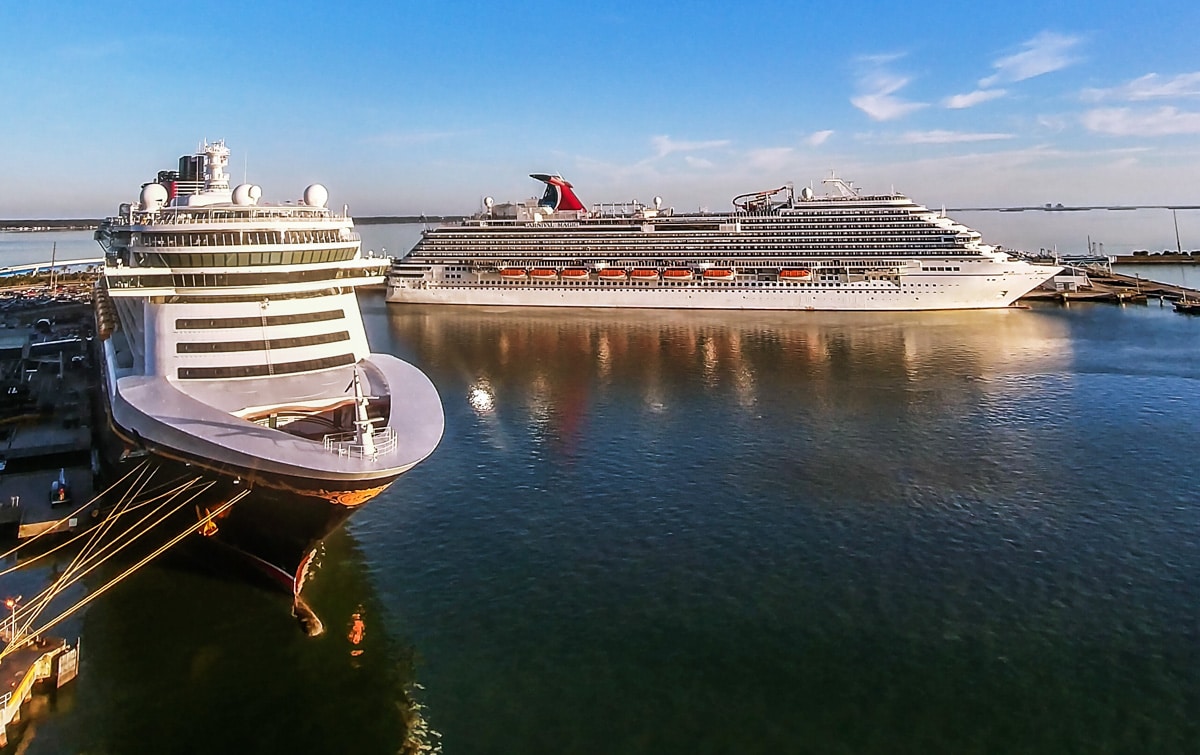
These automated movable walkways connect with the second-floor loading bridge of the passenger terminal. There is also a separate gangway and processing area for the ship’s crew. In 2016, about USD 2,3 million were spent at Disney Terminal 8's renovations. This cruise facility is used exclusively by Disney ships. Cruise Terminal 10 was reopened on November 19, 2016, following USD 35 million expansion and upgrade project which took 6 months to complete.
Directions & Parking
Getting to Port Canaveral — Transportation options from airports and the Port Canaveral area to the cruise port. Everything you need to know to get to the port and start your vacation. One of the port’s most impressive additions, the newly-constructed Cruise Terminal 3, was built specifically for the Mardi Gras — Carnival’s newest and largest ship. Seating in each cruise terminal is based on ship size, with ample seating for the expected passenger count. Passenger and luggage drop off is available in front of the terminals.
RCI-Royal Caribbean unveils 2025-2026 East Coast USA cruise homeports/ships
For a week-long cruise for two, this would be over 50% savings. For a general sense of the area, the port is divided into North and South sides. The North side, or A terminals, include terminals 5, 6, 8, and 10. The following terminals are on the B side – South side of the port. From here you will pass the Disney terminal on your left. Eventually the road loops around toward the ship and the Royal Caribbean terminal.
Cruise Parking & Terminal Information
In 2018, two port development projects received funding for maintenance works in the seaport. For the projects were allocated USD 14,76 million (Canaveral Harbor Sand Bypass and jetty upgrades) and USD 1,47 million (Harbor and Locks). If there is only one RC ship in port, it will most always leave from terminal 1.
This lovely 10-acre riverfront park is located at 701 Thurm Blvd., Cape Canaveral (about six minutes from the port). There's no guarantee that you'll see one but it's a good place to try if you don't want to drive up to Merritt Island Wildlife Refuge. The Port does not own or operate any off-site parking facilities. Though, independent off-site parking lots can be a cheaper option. This will entail taking a shuttle from the lot to the cruise terminal. With this option, you can park at your cruise terminal’s designated parking garage and simply take a short walk to your ship.
Cruise Terminal Parking at Port Canaveral
Space Shuttle's external tanks were floated for each mission into Port Canaveral, and the rocket boosters were towed back via the seaport, being fished from the Atlantic after each space launch. If you are taking a longer cruise, Go Port Canaveral is definitely the cheapest option. It offers parking for up to 15 days for a fixed price of $80 for a solo cruiser; $85 for a couple and $95 for a party of 4.
Port Canaveral continues to expand with proposals for a new cruise terminal that would open in late 2026 on the port’s south side. Port Canaveral Cruise Terminal takes its name from Cape Canaveral, one of the most well-known barrier islands along Florida’s East Coast. The cruise port is immediately to the south of Cape Canaveral, better known as the home of the NASA Kennedy Space Center.
Their Fly Snooze Cruise packages include airport pick-ups, hotel stays and transportation to Port Canaveral, making navigating the Port Canaveral terminal a breeze! Orlando International Airport (MCO) is approximately 45 minutes west of Port Canaveral cruise terminals. Port Canaveral and the nearby area have outlets for major car rental companies, all serviced by shuttles to the port terminals. Today, Port Canaveral is ranked as the world’s busiest cruise port in multi-day embarkations. We’ve been in the top for years, but this isn’t yesterday’s Port Canaveral and now we’re aiming to stay at the top.
Port Canaveral Park and Cruise Hotels — If you plan to stay in the area the night before your cruise, look at this list of hotels that offer cruise parking with a one-night stay. This older cruise terminal at Port Canaveral is now used mainly by Norwegian Cruise Line ships and Marella Discovery. The following cruise port map shows Port Canaveral port's infrastructure, the location of terminal facilities, connecting roads and transportation links to Orlando City. In FY2017, the cruise port handled 4,52+ million passengers (6,4% increase over FY2016).
I cruised Royal Caribbean from Tampa for the first time. Here's what a cruise from this smaller port is like. - Royal Caribbean Blog
I cruised Royal Caribbean from Tampa for the first time. Here's what a cruise from this smaller port is like..
CT6 is a covered parking garage right next to where your ship docks. In 2016 was completed another (USD 48,4 million) renovation project at Cruise Terminal 5 (used mostly by Carnival Cruise Line). Among the improvements were terminal expansion, pier elongation (by 120 ft / 37 m), new mobile boarding bridges, new parking garage (capacity 1044 cars).
Similar to Grills, Fishlips features a seafood menu with things like lobster bisque, spicy gumbo, shark bites, peel-n-eat shrimp, wings and more. The baked lobster dinner and fried seafood combo platter are especially popular. If you need to do a lot of shopping, drive to Merritt Square Mall (777 E Merritt Island Causeway, Merritt Island) or Walmart (1500 E Merritt Island Causeway, Merritt Island). Both shopping centers are about 20 minutes from the port. An UberX ride from MCO Airport to the port costs about $62.
Here are just a few of the Cocoa Beach beaches you can visit (from north to south). Jetty Park and Cheri Down Park are closest to Port Canaveral. If you're old enough to remember "I Dream of Jeannie," you probably remember that Cocoa Beach was the home of Jeannie and her astronaut love interest. Cocoa Beach isn't actually one beach but consists of a string of beaches that range 72 miles along the Atlantic Coast.
Book a snorkeling tour and explore what's beneath the sea with your cruise to Honolulu. You can often see fish right from the snorkeling boat. Another catamaran cruise departing from Waikiki Beach, the Maitai Catamaran’s distinct green sail invites you to start your evening right with an open bar and beautiful sunset.
The Adventure of a Lifetime
The cruise was one of the highlights of our vacation. We saw a whale and an unbelievable sunset all while enjoying drinks with a great group on the boat. Our captain and bartender were awesome and we highly recommend this experience to all.
HawaiiActivities.com is part of VELTRA, the world leader in online tours & activities services
They worked through any language barriers and got everyone set up for the cruise. The size of the boat and number of people on board was just right, intim...ate but still lively and fun. There was plenty of room onboard to move around and never felt crowded. When the water got a little choppy, the back of the boat was still calm. Just a great time made better by the crew, would definitely go again. They serve beer and soft drinks, but also provide coolers so you can BYOB.
Maitai Catamaran
Raise your drink with a cheers to your fellow passengers, and then head out along the Waikiki coastline for a fun evening of drinks and dancing. This Oahu party boat is one of the best ways to have fun under the setting sun, and enjoy the incredible views of the Waikiki coastline and Diamond Head. There's no better way to enjoy a Hawaiian sunset in Oahu other than on a smooth sailing catamaran boat for a cocktail sail. Waikiki shows its best side in the last shimmers of daylight.
ABOUTNA HOKU 3 & 2 CATAMARANS
The open bar features the original cocktail “Holokai Hooch” as well as local and domestic beers. Every Friday in Waikiki the sky is lit up with fireworks, courtesy of the Hilton Hawaiian Village, to celebrate the end of another week in beautiful Hawaii. The beaches get crowded with people trying to catch the show, so the best way to watch is to go on a fireworks cruise where you’ll have an unobstructed view. Holokai’s fireworks cruise departs after sunset and includes an open bar. The amazing Maitaʻi Catamaran is an ocean adventure, sight-seeing tour and party all in one. This “state of the art”, twin hulled, 45 foot catamaran seats 49 passengers comfortably.
Ocean and You is the ultimate Waikiki booze cruise. Register and enjoy smoother booking, as well as being able to save your wish list and recently viewed activities. Experience fireworks on the sea with drinks, charming crew, and a 90-minute adventure. Maitaʻi offers a variety of sailings for you to choose from.
Otherwise known as cocktail sails, catamaran cruises, and party boats, these boat cruises take you out onto the water for a fun, relaxing time in Waikiki. Most such cruises include complimentary drinks, with some having an open bar. Most depart directly from Waikiki Beach, so they’re easily accessible.
Travelers interested in this activity also viewed
Guests will receive a full refund only with a minimum 24-hour notice of cancellation. Full refunds are also issued in case of operator cancellation due to weather or other unforeseen circumstances. These cruises are selling out fast, get them while you can. Waikiki is a shopper's paradise, with high-end stores as well as boutiques selling local signatures.
Sailing Adventuresin Honolulu, Hawaii
Head to Pearl Harbor to learn more about what it was like on that fateful day of December 7, 1941. Visit the USS Arizona Memorial, which starts with a quick but informative documentary viewing followed by a memorable boat ride out to the historic ship. You may also book one of our Exclusive Charters available with an open bar.
Please visit VELTRA Support page to send an inquiry about this activity. Wear clothing that is comfortable and appropriate for wind and the weather. A light jacket is an appropriate item to bring along.
Honolulu Pride: LGBTQIA+ Events in August 2023 - HONOLULU Magazine
Maita’i is always available for private use for weddings, receptions, parties, family gatherings, memorial services and many other special needs. See Oahu from a different perspective at a great value! We’ll follow the trade winds blowing from the northeast, for a spectacular view from the boat as you pass the Waikiki Natatorium War Memorial and Diamond Head Lighthouse. Get ready to say goodbye to 2023 and welcome 2024 with a big smile! If you have very specific schedule requirements and are not flexible, please book sooner. Last-minute bookings are often possible, but availability is limited.
We will have storage for you to place them in during your time onboard. Consider taking an over the counter motion sickness preventative before your cruise if you are worried about sea sickness. Just in case, motion sickness tablets and bracelets are available on-board for a fee.
Enjoy the Island sun and scenery on one of our Tradewind sails. Watch the Oahu coast roll by as the wind fills the sails on a journey you’ll remember a lifetime. The weather could have been better but we made the most of it.The cruise had free flowing drinks and staff were great fun. Filled with the Aloha Spirit, our “locally grown” crew members are all masters of the sea! You will be asked to remove your shoes before boarding the boat.
When embarking on a cruise, passengers can expect to encounter a variety of dining experiences, from formal dining rooms to casual buffets. No matter where you choose to dine, it's important to factor in the appropriate gratuity for the waitstaff who provide your service. Here's a guide to help you determine how much to tip waiters on a cruise ship.
The customary gratuity for waitstaff on a cruise ship is 15-20%, similar to what is expected at restaurants on land. The amount you tip should be based on the quality of service you receive, but 15% is generally considered the minimum acceptable amount.
If you're not sure how much to tip, you can always ask your server. They will be able to provide you with guidance on what is considered appropriate on that particular cruise line.
In addition to the standard gratuity, you may also want to consider tipping for exceptional service. If you have a particularly attentive server who goes above and beyond to make your dining experience enjoyable, you may want to tip them an additional 5-10%.
It's also important to note that some cruise lines automatically add a gratuity to your bill. Be sure to check your bill carefully before you pay to avoid tipping twice.
Tips
Here are a few tips to help you determine how much to tip waiters on a cruise ship:
Tip 1: Consider the quality of service. The amount you tip should be based on the level of service you receive. If your server is attentive, friendly, and efficient, you may want to tip more than the minimum 15%. If your server is not providing good service, you may want to tip less.
Tip 2: Ask your server for guidance. If you're not sure how much to tip, you can always ask your server. They will be able to provide you with guidance on what is considered appropriate on that particular cruise line.
Tip 3: Check your bill. Some cruise lines automatically add a gratuity to your bill. Be sure to check your bill carefully before you pay to avoid tipping twice.
Tip 4: Tip in cash. While most cruise lines allow you to add a gratuity to your bill, it's generally better to tip in cash. This way, your server will receive the full amount of the tip.
Closing Paragraph for Tips:
By following these tips, you can ensure that you are tipping your waiter fairly on your next cruise. Remember, the amount you tip is ultimately up to you, but 15-20% is generally considered the standard.
How Much to Tip Waiters on a Cruise Ship: A Personal Experience
I recently went on a cruise to the Caribbean, and I had a wonderful experience. The service was excellent, and the food was delicious. I was particularly impressed with my waiter, who was always attentive and friendly. He went above and beyond to make sure that I had a great dining experience.
When it came time to tip, I was happy to give my waiter a generous gratuity. I tipped him 20%, which is the higher end of the recommended range. I felt that he deserved it because of the excellent service he provided.
I believe that tipping is an important way to show your appreciation for good service. When you tip your waiter, you are not only rewarding them for their hard work, but you are also encouraging them to continue providing excellent service.
How Much to Tip Waiters on a Cruise Ship: History and Myth
The tradition of tipping waiters on cruise ships dates back to the early days of cruising. In the early 1900s, tipping was a way for passengers to show their appreciation for the service they received. Over time, tipping became more common, and it is now considered to be a standard practice on cruise ships.
There are a few myths about tipping waiters on cruise ships. One myth is that you should always tip 15%. While 15% is a good starting point, the amount you tip should be based on the quality of service you receive. Another myth is that you should never tip in cash. While it is true that some cruise lines allow you to add a gratuity to your bill, it is generally better to tip in cash. This way, your server will receive the full amount of the tip.
Experiences
When it comes to tipping waiters on a cruise ship, there are a few things to keep in mind. First, the amount you tip should be based on the quality of service you receive. If your waiter is attentive, friendly, and efficient, you may want to tip more than the minimum 15%. If your waiter is not providing good service, you may want to tip less.
Here are four tips to help you determine how much to tip waiters on a cruise ship:
Tip 1: Consider the quality of service. The amount you tip should be based on the level of service you receive. If your server is attentive, friendly, and efficient, you may want to tip more than the minimum 15%. If your server is not providing good service, you may want to tip less.
Tip 2: Ask your server for guidance. If you're not sure how much to tip, you can always ask your server. They will be able to provide you with guidance on what is considered appropriate on that particular cruise line.
Tip 3: Check your bill. Some cruise lines automatically add a gratuity to your bill. Be sure to check your bill carefully before you pay to avoid tipping twice.
Tip 4: Tip in cash. While most cruise lines allow you to add a gratuity to your bill, it's generally better to tip in cash. This way, your server will receive the full amount of the tip.
Closing Paragraph for Tips:
By following these tips, you can ensure that you are tipping your waiter fairly on your next cruise. Remember, the amount you tip is ultimately up to you, but 15-20% is generally considered the standard.
FAQ
Here are some frequently asked questions about how much to tip waiters on a cruise ship:
Question 1: How much should I tip my waiter?
Answer: The standard gratuity for waitstaff on a cruise ship is 15-20%. However, you may want to tip more if your waiter provides exceptional service.
Question 2: What if I'm not satisfied with the service I receive?
Answer: If you are not satisfied with the service you receive, you may want to tip less than the standard 15-20%. However, it is important to be polite and respectful to your waiter, even if you are not happy with the service.
Question 3: Do I need to tip in cash?
Answer: While most cruise lines allow you to add a gratuity to your bill, it is generally better to tip in cash. This way, your waiter will receive the full amount of the tip.
Question 4: What if my cruise line automatically adds a gratuity to my bill?
Answer: If your cruise line automatically adds a gratuity to your bill, you do not need to tip your waiter any additional money. However, you may want to give your waiter a small tip in cash if you feel that they provided exceptional service.
Question 5: How much should I tip for room service?
Answer: The standard gratuity for room service is $3-5 per delivery. However, you may want to tip more if you order a large or complex meal.
Question 6: How much should I tip for a specialty restaurant?
Answer: The standard gratuity for a specialty restaurant is 18-20%. However, you may want to tip more if you order a large or expensive meal.
Closing Paragraph for FAQ:
I hope this FAQ has answered your questions about how much to tip waiters on a cruise ship. Remember, the amount you tip is ultimately up to you, but 15-20% is generally considered the standard.
How Much to Tip Waiter on Cruise Ship
Here are 11 important points to keep in mind when tipping waiters on a cruise ship:
15-20% is the standard gratuity.
Tip more for exceptional service.
Tip less for poor service.
Tip in cash if possible.
Check your bill for automatic gratuities.
$3-5 per delivery for room service.
18-20% for specialty restaurants.
Ask your server for guidance.
Consider the quality of service.
Be polite and respectful.
The amount you tip is ultimately up to you.
By following these tips, you can ensure that you are tipping your waiter fairly on your next cruise.
15-20% is the standard gratuity.
When it comes to tipping waiters on a cruise ship, the standard gratuity is 15-20%. This means that you should tip your waiter 15-20% of the total bill, before taxes and any other charges.
There are a few reasons why 15-20% is the standard gratuity for waiters on cruise ships. First, waiters on cruise ships typically work long hours and are responsible for a large number of tables. Second, waiters on cruise ships often rely on tips to supplement their income. Finally, tipping is a way to show your appreciation for good service.
Of course, the amount you tip should be based on the quality of service you receive. If your waiter provides exceptional service, you may want to tip more than the standard 15-20%. However, if your waiter provides poor service, you may want to tip less.
Here are a few tips for determining how much to tip your waiter on a cruise ship:
Consider the quality of service you receive.
Ask your server for guidance.
Check your bill for automatic gratuities.
Be polite and respectful.
The amount you tip is ultimately up to you.
By following these tips, you can ensure that you are tipping your waiter fairly on your next cruise.
Tip more for exceptional service.
If your waiter provides exceptional service, you may want to tip more than the standard 15-20%. Exceptional service can include going above and beyond to meet your needs, being friendly and attentive, and making sure that you have a positive dining experience.
Here are a few examples of exceptional service that may warrant a higher tip:
Your waiter remembers your preferences and makes sure that you have everything you need without being asked.
Your waiter goes out of their way to make your dining experience special, such as by providing you with a complimentary dessert or helping you to celebrate a special occasion.
Your waiter is knowledgeable about the menu and is able to make recommendations that you enjoy.
Your waiter is friendly and attentive, and makes you feel like a valued guest.
If you receive exceptional service from your waiter, you may want to tip them 25% or more of the total bill. You can also give them a small gift, such as a gift card or a bottle of wine, to show your appreciation.
By tipping more for exceptional service, you can show your waiter that you appreciate their hard work and dedication. You can also encourage them to continue providing excellent service to other guests.
Tip less for poor service.
If your waiter provides poor service, you may want to tip less than the standard 15-20%. Poor service can include being rude or dismissive, not being attentive to your needs, or making mistakes with your order.
Here are a few examples of poor service that may warrant a lower tip:
Your waiter is rude or dismissive to you or other guests.
Your waiter is not attentive to your needs, such as not refilling your water glass or taking your order in a timely manner.
Your waiter makes mistakes with your order, such as bringing you the wrong dish or forgetting to include an item that you ordered.
Your waiter is overall inattentive and makes you feel like you are not a valued guest.
If you receive poor service from your waiter, you may want to tip them 10% or less of the total bill. You can also speak to the manager about the poor service that you received.
By tipping less for poor service, you can show your waiter that you are not satisfied with their performance. You can also encourage them to improve their service in the future.
堃 in cash if possible.
While most cruise lines allow you to add a gratuity to your bill, it is generally better to tip your waiter in cash if possible.
Here are a few reasons why tipping in cash is better:
Your waiter will receive the full amount of the tip. When you tip in cash, your waiter will receive the full amount of the tip, without having to share it with other staff members.
It is more personal. Tipping in cash is a more personal way to show your waiter that you appreciate their service.
It is more convenient. Tipping in cash is more convenient than adding a gratuity to your bill, especially if you are in a hurry.
If you are not able to tip in cash, you can add a gratuity to your bill. However, be sure to check your bill carefully before you pay to avoid tipping twice.
Check your bill for automatic gratuities.
Some cruise lines automatically add a gratuity to your bill. This is typically a 15-20% gratuity that is added to the total bill, before taxes and any other charges.
It is important to check your bill carefully before you pay to make sure that you are not tipping twice. If you see that a gratuity has already been added to your bill, you do not need to tip your waiter any additional money.
However, if you feel that your waiter provided exceptional service, you may want to give them a small additional tip in cash.
Here are a few tips for checking your bill for automatic gratuities:
Look for a line item that says "gratuity" or "service charge." This line item will typically be located at the bottom of your bill.
If you see a gratuity has been added to your bill, check the percentage to make sure that it is the standard 15-20%. If the gratuity is higher than 20%, you may want to speak to the manager.
If you are not sure whether or not a gratuity has been added to your bill, you can always ask your waiter or the manager.
By checking your bill carefully, you can avoid tipping twice and ensure that your waiter receives a fair tip.
$3-5 per delivery for room service.
The standard gratuity for room service on a cruise ship is $3-5 per delivery. This means that you should tip your room service attendant $3-5 for each delivery, regardless of the size or cost of your order.
Here are a few reasons why $3-5 per delivery is the standard gratuity for room service on a cruise ship:
Room service staff work long hours and are responsible for a large number of deliveries.
Room service staff often rely on tips to supplement their income.
Tipping is a way to show your appreciation for good service.
Of course, the amount you tip should be based on the quality of service you receive. If your room service attendant provides exceptional service, you may want to tip more than the standard $3-5 per delivery.
Here are a few tips for determining how much to tip your room service attendant:
Consider the quality of service you receive.
Ask your room service attendant for guidance.
Be polte and friendly.
The amount you tip is ultimately up to you.
By following these tips, you can ensure that you are tipping your room service attendant fairly on your next cruise.
18-20% for specialty restaurants.
The standard gratuity for specialty restaurants on a cruise ship is 18-20%. This is a bit higher than the standard gratuity for main dining rooms, as specialty restaurants typically offer a more upscale dining experience.
Here are a few reasons why 18-20% is the standard gratuity for specialty restaurants on a cruise ship:
Specialty restaurant staff are typically more experienced and knowledgeable than main dining room staff.
Specialty restaurants often offer a more upscale dining experience, with finer food and wine.
Specialty restaurant staff often work longer hours than main dining room staff.
Of course, the amount you tip should be based on the quality of service you receive. If your server provides exceptional service, you may want to tip more than the standard 18-20%.
Here are a few tips for determining how much to tip your server at a specialty restaurant on a cruise ship:
Consider the quality of service you receive.
Ask your server for guidance.
Be polite and respectful.
The amount you tip is ultimately up to you.
By following these tips, you can ensure that you are tipping your server fairly at a specialty restaurant on your next cruise.
Ask your server for guidance.
If you are not sure how much to tip your waiter on a cruise ship, you can always ask them for guidance. Your server will be able to provide you with information on what is considered appropriate on that particular cruise line.
Here are a few tips for asking your server for guidance on how much to tip:
Be polite and respectful.
Ask your server in a private setting.
Be specific about what you are asking for. For example, you could say, "I'm not sure how much to tip. Can you give me some guidance?"
Be prepared to tip more if your server provides exceptional service.
Your server will be happy to provide you with guidance on how much to tip. By following these tips, you can ensure that you are tipping your server fairly on your next cruise.
Consider the quality of service.
The most important factor to consider when tipping your waiter on a cruise ship is the quality of service you receive. If your waiter is attentive, friendly, and efficient, you may want to tip more than the standard 15-20%. If your waiter is not providing good service, you may want to tip less.
Here are a few things to consider when evaluating the quality of service you receive from your waiter:
Attentiveness: Is your waiter attentive to your needs? Do they refill your water glass without you having to ask? Do they check on you regularly to make sure that you are enjoying your meal?
Friendliness: Is your waiter friendly and welcoming? Do they make you feel like a valued guest?
Efficiency: Is your waiter efficient in taking your order, delivering your food, and clearing your plates? Do they seem to be working hard to make sure that you have a good dining experience?
If your waiter is providing excellent service in all of these areas, you may want to tip them more than the standard 15-20%. If your waiter is not providing good service in one or more of these areas, you may want to tip them less.
It is also important to remember that tipping is a personal decision. The amount you tip should be based on your own penilaian of the quality of service you receive.
Be polite and respectful.
It is important to be polite and respectful to your waiter, regardless of how much you tip them. Your waiter is there to serve you and make sure that you have a good dining experience. By being polite and respectful, you are showing your appreciation for their hard work.
Here are a few tips for being polite and respectful to your waiter:
Be patient. Waiters are often busy, so be patient if you have to wait a few minutes for your food or drinks.
Be understanding. Waiters are human, so they may make mistakes. Be understanding if they make a mistake and don't take it out on them.
Be thankful. When your waiter brings you your food or drinks, be sure to thank them.
Be friendly. Waiters are more likely to provide good service to customers who are friendly and respectful.
By being polite and respectful to your waiter, you are not only showing your appreciation for their hard work, but you are also more likely to receive good service.
The amount you tip is ultimately up to you.
The amount you tip your waiter on a cruise ship is ultimately up to you. There is no right or wrong answer, and the amount you tip should be based on your own penilaian of the quality of service you receive.
However, there are a few things to keep in mind when deciding how much to tip:
The standard gratuity for waiters on cruise ships is 15-20%. This is a good starting point, but you may want to tip more or less depending on the quality of service you receive.
If you receive exceptional service, you may want to tip more than the standard 15-20%.
If you receive poor service, you may want to tip less than the standard 15-20%.
It is important to be polite and respectful to your waiter, regardless of how much you tip them.
Ultimately, the amount you tip is up to you. By following these tips, you can ensure that you are tipping your waiter fairly on your next cruise.
Summary
Tipping waiters on a cruise ship is a common practice, and it is a way to show your appreciation for good service. The standard gratuity for waiters on cruise ships is 15-20%, but you may want to tip more or less depending on the quality of service you receive.
Here are a few tips to help you determine how much to tip your waiter on a cruise ship:
Consider the quality of service you receive.
Ask your server for guidance.
Check your bill for automatic gratuities.
Be polite and respectful.
The amount you tip is ultimately up to you.
By following these tips, you can ensure that you are tipping your waiter fairly on your next cruise.
Closing Message
Tipping is a personal decision, and there is no right or wrong answer. However, by following these tips, you can ensure that you are tipping your waiter fairly and showing your appreciation for good service.
Conclusion
What is the standard gratuity for waiters on cruise ships?
The standard gratuity for waiters on cruise ships is 15-20%. This is a good starting point, but you may want to tip more or less depending on the quality of service you receive.
What if I receive exceptional service?
If you receive exceptional service, you may want to tip more than the standard 15-20%. This is a way to show your appreciation for the excellent service you received.
What if I receive poor service?
If you receive poor service, you may want to tip less than the standard 15-20%. However, it is important to be polite and respectful to your waiter, regardless of how much you tip them.
How can I determine how much to tip my waiter?
There are a few things to consider when determining how much to tip your waiter on a cruise ship:
Consider the quality of service you receive.
Ask your server for guidance.
Check your bill for automatic gratuities.
Be polite and respectful.
The amount you tip is ultimately up to you.
Conclusion of How Much to Tip Waiter on Cruise Ship
By following these tips, you can ensure that you are tipping your waiter fairly on your next cruise.
The COVID-19 pandemic has had a significant impact on the cruise industry, with many cruise lines pausing operations or implementing strict safety protocols, including mandatory vaccinations for passengers and crew. As the pandemic continues to evolve, many are wondering when cruise lines will no longer require vaccinations.
The answer to this question is not straightforward, as it depends on a number of factors, including the global health situation, the effectiveness of vaccines, and the policies of individual cruise lines.
Will Cruises Ever Not Require Vaccinations?
It is possible that cruise lines will eventually stop requiring vaccinations once the COVID-19 pandemic is under control and vaccines are widely available. However, it is also possible that cruise lines will continue to require vaccinations for the foreseeable future, as a way to protect the health and safety of passengers and crew.
Ultimately, the decision of whether or not to require vaccinations will be made by individual cruise lines, based on their own risk assessments and the policies of the destinations they visit.
Conclusion
The requirement for vaccinations on cruises is likely to continue in the near future, as the COVID-19 pandemic remains a concern. However, as the pandemic progresses and vaccines become more widely available, it is possible that cruise lines will eventually stop requiring vaccinations. The decision of whether or not to require vaccinations will ultimately be made by individual cruise lines, based on their own risk assessments and the policies of the destinations they visit.
Tips
Introduction Paragraph for Tips
If you're wondering when cruises will no longer require vaccinations, there are a few things you can do to stay informed and make your own travel decisions.
Tip 1: Monitor the Global Health Situation
The global health situation is constantly evolving, so it's important to stay up-to-date on the latest news and advisories. The World Health Organization (WHO) is a good resource for the latest information on the COVID-19 pandemic and its impact on travel.
Tip 2: Check Cruise Line Policies
Individual cruise lines will make their own decisions about when to stop requiring vaccinations. Be sure to check the websites of your favorite cruise lines for the latest information on their vaccination policies.
Tip 3: Consider Your Own Health and Risk Tolerance
Ultimately, the decision of whether or not to cruise is a personal one. Consider your own health and risk tolerance before making a decision. If you're concerned about the risks of COVID-19, you may want to wait until vaccinations are no longer required or until you've had a chance to get vaccinated yourself.
Closing Paragraph for Tips
By following these tips, you can stay informed about the latest developments on cruise line vaccination requirements and make your own travel decisions.
When Will Cruises Not Require Vaccinations?
The COVID-19 pandemic has had a significant impact on the cruise industry, with many cruise lines implementing strict safety protocols, including mandatory vaccinations for passengers and crew. However, as the pandemic continues to evolve, many are wondering when cruise lines will no longer require vaccinations.
The answer to this question is not straightforward, as it depends on a number of factors, including the global health situation, the effectiveness of vaccines, and the policies of individual cruise lines. However, it is possible that cruise lines will eventually stop requiring vaccinations once the COVID-19 pandemic is under control and vaccines are widely available.
Ultimately, the decision of whether or not to require vaccinations will be made by individual cruise lines, based on their own risk assessments and the policies of the destinations they visit.
Conclusion
The requirement for vaccinations on cruises is likely to continue in the near future, as the COVID-19 pandemic remains a concern. However, as the pandemic progresses and vaccines become more widely available, it is possible that cruise lines will eventually stop requiring vaccinations. The decision of whether or not to require vaccinations will ultimately be made by individual cruise lines, based on their own risk assessments and the policies of the destinations they visit.
Experience
Introduction Paragraph for Tips
If you're wondering when cruises will no longer require vaccinations, there are a few things you can do to stay informed and make your own travel decisions.
Tip 1: Monitor the Global Health Situation
The global health situation is constantly evolving, so it's important to stay up-to-date on the latest news and advisories. The World Health Organization (WHO) is a good resource for the latest information on the COVID-19 pandemic and its impact on travel.
Tip 2: Check Cruise Line Policies
Individual cruise lines will make their own decisions about when to stop requiring vaccinations. Be sure to check the websites of your favorite cruise lines for the latest information on their vaccination policies.
Tip 3: Consider Your Own Health and Risk Tolerance
Ultimately, the decision of whether or not to cruise is a personal one. Consider your own health and risk tolerance before making a decision. If you're concerned about the risks of COVID-19, you may want to wait until vaccinations are no longer required or until you've had a chance to get vaccinated yourself.
Closing Paragraph for Tips
By following these tips, you can stay informed about the latest developments on cruise line vaccination requirements and make your own travel decisions.
When Will Cruises Not Require Vaccinations?
The COVID-19 pandemic has had a significant impact on the cruise industry, with many cruise lines implementing strict safety protocols, including mandatory vaccinations for passengers and crew. However, as the pandemic continues to evolve, many are wondering when cruise lines will no longer require vaccinations.
The answer to this question is not straightforward, as it depends on a number of factors, including the global health situation, the effectiveness of vaccines, and the policies of individual cruise lines. However, it is possible that cruise lines will eventually stop requiring vaccinations once the COVID-19 pandemic is under control and vaccines are widely available.
Ultimately, the decision of whether or not to require vaccinations will be made by individual cruise lines, based on their own risk assessments and the policies of the destinations they visit.
Conclusion
The requirement for vaccinations on cruises is likely to continue in the near future, as the COVID-19 pandemic remains a concern. However, as the pandemic progresses and vaccines become more widely available, it is possible that cruise lines will eventually stop requiring vaccinations. The decision of whether or not to require vaccinations will ultimately be made by individual cruise lines, based on their own risk assessments and the policies of the destinations they visit.
FAQ
Introduction Paragraph for FAQ
Here are some frequently asked questions about when cruises will no longer require vaccinations:
Question 1: When will cruises stop requiring vaccinations?
Answer 1: The answer to this question is not straightforward, as it depends on a number of factors, including the global health situation, the effectiveness of vaccines, and the policies of individual cruise lines. However, it is possible that cruise lines will eventually stop requiring vaccinations once the COVID-19 pandemic is under control and vaccines are widely available.
Question 2: How can I stay informed about the latest developments on cruise line vaccination requirements?
Answer 2: You can stay informed about the latest developments on cruise line vaccination requirements by visiting the websites of your favorite cruise lines, monitoring the news and advisories from the World Health Organization (WHO), and reading articles from reputable sources like Cruise Critic and Travel + Leisure.
Question 3: What should I do if I'm not vaccinated and want to go on a cruise?
Answer 3: If you're not vaccinated and want to go on a cruise, you should check the websites of your favorite cruise lines to see if they have any specific requirements for unvaccinated passengers. Some cruise lines may require unvaccinated passengers to provide proof of a negative COVID-19 test, while others may require them to quarantine before boarding the ship.
Question 4: What are the risks of going on a cruise if I'm not vaccinated?
Answer 4: If you're not vaccinated and go on a cruise, you are at an increased risk of contracting COVID-19. Cruise ships are often crowded, and it can be difficult to maintain social distancing. Additionally, many cruise ships visit multiple ports of call, which can increase your exposure to the virus.
Question 5: What are the benefits of getting vaccinated before going on a cruise?
Answer 5: There are many benefits to getting vaccinated before going on a cruise. Vaccinated individuals are less likely to contract COVID-19, and they are also less likely to develop severe symptoms if they do get sick. Additionally, vaccinated individuals are less likely to spread the virus to others.
Question 6: Where can I get vaccinated?
Answer 6: You can get vaccinated at your local pharmacy, doctor's office, or community health center. You can also find a vaccination site near you by visiting the website of the Centers for Disease Control and Prevention (CDC).
Closing Paragraph for FAQ
I hope this FAQ has answered your questions about when cruises will no longer require vaccinations. If you have any other questions, please feel free to contact your favorite cruise line or a travel agent.
Hidden Secrets of When Will Cruises Not Require Vaccine
The cruise industry has been hit hard by the COVID-19 pandemic, but there are signs that the industry is starting to recover. As more and more people get vaccinated, cruise lines are starting to relax their COVID-19 protocols. However, there are still some hidden secrets about when cruises will no longer require vaccinations.
One of the biggest secrets is that cruise lines are not required to disclose their vaccination policies to the public. This means that some cruise lines may still be requiring vaccinations even though they are not advertising it. If you are concerned about whether or not a particular cruise line requires vaccinations, you should contact the cruise line directly.
{transition paragraph}
Recommendations of When Will Cruises Not Require Vaccine
If you are planning a cruise in the near future, there are a few things you can do to increase your chances of getting on a cruise that does not require vaccinations.
First, consider booking a cruise with a smaller cruise line. Smaller cruise lines are more likely to be flexible with their COVID-19 protocols, and they may be more willing to waive the vaccination requirement for passengers who have a medical or religious exemption.
{transition paragraph}
The Future of When Will Cruises Not Require Vaccine
The future of cruise line vaccination requirements is uncertain. However, there are a few trends that suggest that cruise lines will eventually stop requiring vaccinations.
First, the global health situation is improving. As more and more people get vaccinated, the risk of contracting COVID-19 is decreasing. This means that cruise lines will be less likely to require vaccinations as a way to protect their passengers and crew.
When Will Cruises Not Require Vaccinations?
The future of cruise line vaccination requirements is uncertain, but there are a few trends that suggest that cruise lines will eventually stop requiring vaccinations.
Global health situation improves
More people get vaccinated
Risk of contracting COVID-19 decreases
Cruise lines will be less likely to require vaccinations
Cruise lines may start to relax COVID-19 protocols
Individual cruise lines make their own decisions
Check cruise line websites for latest information
Consider your own health and risk tolerance
Wait until vaccinations are no longer required
These are just a few of the factors that will influence when cruises will no longer require vaccinations. It is important to stay informed about the latest developments on cruise line vaccination requirements and to make your own travel decisions based on your own health and risk tolerance.
Global health situation improves
One of the biggest factors that will influence when cruises will no longer require vaccinations is the global health situation. As more and more people get vaccinated, the risk of contracting COVID-19 is decreasing. This means that cruise lines will be less likely to require vaccinations as a way to protect their passengers and crew.
The World Health Organization (WHO) is the leading international organization responsible for public health. The WHO has been tracking the COVID-19 pandemic since it began, and they have been providing guidance to countries on how to control the spread of the virus. The WHO has also been working to develop and distribute vaccines to countries around the world.
The WHO's goal is to achieve global herd immunity to COVID-19. Herd immunity is when a large enough percentage of the population is immune to a disease, either through vaccination or natural infection, that the disease can no longer spread easily. Once global herd immunity to COVID-19 is achieved, the risk of contracting the virus will be very low, and cruise lines will be more likely to stop requiring vaccinations.
The global health situation is improving, but it is important to remember that the COVID-19 pandemic is not over. There are still many countries where the virus is spreading uncontrolled, and new variants of the virus are emerging. It is important to stay informed about the latest developments on the pandemic and to follow the advice of public health officials.
As the global health situation continues to improve, cruise lines will be more likely to relax their COVID-19 protocols, including their vaccination requirements. However, it is important to remember that individual cruise lines make their own decisions about their vaccination policies. It is always best to check the website of your favorite cruise line for the latest information on their vaccination requirements.
More people get vaccinated
Another factor that will influence when cruises will no longer require vaccinations is the number of people who get vaccinated. The more people who are vaccinated, the lower the risk of COVID-19 transmission will be, and the less likely cruise lines will be to require vaccinations.
Herd immunity
Herd immunity is when a large enough percentage of the population is immune to a disease, either through vaccination or natural infection, that the disease can no longer spread easily. Once herd immunity to COVID-19 is achieved, the risk of contracting the virus will be very low, and cruise lines will be more likely to stop requiring vaccinations.
Vaccine efficacy
The efficacy of COVID-19 vaccines is another important factor to consider. The more effective the vaccines are at preventing infection and transmission, the less likely cruise lines will be to require vaccinations.
Vaccine availability
The availability of COVID-19 vaccines is also important. If vaccines are not widely available, it will be difficult to achieve herd immunity and cruise lines will be more likely to require vaccinations.
Vaccine mandates
Some countries and businesses are implementing vaccine mandates, which require people to be vaccinated in order to travel or enter certain establishments. If vaccine mandates become more widespread, it is likely that cruise lines will also require vaccinations.
The number of people who get vaccinated is increasing every day. As more and more people get vaccinated, the risk of COVID-19 transmission will decrease, and the more likely it is that cruise lines will stop requiring vaccinations.
Risk of contracting COVID-19 decreases
As more people get vaccinated and the global health situation improves, the risk of contracting COVID-19 will decrease. This means that cruise lines will be less likely to require vaccinations as a way to protect their passengers and crew.
Herd immunity
Herd immunity is when a large enough percentage of the population is immune to a disease, either through vaccination or natural infection, that the disease can no longer spread easily. Once herd immunity to COVID-19 is achieved, the risk of contracting the virus will be very low, and cruise lines will be more likely to stop requiring vaccinations.
Vaccine efficacy
The efficacy of COVID-19 vaccines is another important factor to consider. The more effective the vaccines are at preventing infection and transmission, the less likely cruise lines will be to require vaccinations.
Natural immunity
People who have had COVID-19 and recovered may have some natural immunity to the virus. This means that they may be less likely to get sick again, and they may be less likely to spread the virus to others. However, more research is needed to determine how long natural immunity lasts and how well it protects against different variants of the virus.
Testing
Cruise lines may also use testing to reduce the risk of COVID-19 transmission. For example, cruise lines may require passengers to show proof of a negative COVID-19 test before boarding the ship. Cruise lines may also conduct random testing of passengers and crew during the cruise.
As the risk of contracting COVID-19 decreases, cruise lines will be more likely to relax their COVID-19 protocols, including their vaccination requirements. However, it is important to remember that individual cruise lines make their own decisions about their vaccination policies. It is always best to check the website of your favorite cruise line for the latest information on their vaccination requirements.
Cruise lines will be less likely to require vaccinations
As the global health situation improves, the risk of contracting COVID-19 decreases, and more people get vaccinated, cruise lines will be less likely to require vaccinations. This is because cruise lines will be able to protect their passengers and crew from COVID-19 without requiring vaccinations.
There are a number of reasons why cruise lines will be less likely to require vaccinations in the future.
Herd immunity: Once herd immunity to COVID-19 is achieved, the risk of contracting the virus will be very low. This means that cruise lines will no longer need to require vaccinations to protect their passengers and crew.
Vaccine efficacy: The COVID-19 vaccines are highly effective at preventing infection and transmission. This means that cruise lines can be confident that their passengers and crew are protected from COVID-19, even if they are not vaccinated.
Natural immunity: People who have had COVID-19 and recovered may have some natural immunity to the virus. This means that they may be less likely to get sick again, and they may be less likely to spread the virus to others. Cruise lines may start to accept proof of natural immunity in lieu of vaccination.
Testing: Cruise lines may also use testing to reduce the risk of COVID-19 transmission. For example, cruise lines may require passengers to show proof of a negative COVID-19 test before boarding the ship. Cruise lines may also conduct random testing of passengers and crew during the cruise.
As cruise lines become more confident in their ability to protect their passengers and crew from COVID-19, they will be less likely to require vaccinations. However, it is important to remember that individual cruise lines make their own decisions about their vaccination policies. It is always best to check the website of your favorite cruise line for the latest information on their vaccination requirements.
In addition to the factors discussed above, cruise lines may also consider the following factors when making their decisions about vaccination requirements:
The vaccination rates in the countries they visit
The prevalence of COVID-19 in the countries they visit
The policies of the governments in the countries they visit
The preferences of their passengers
Cruise lines may start to relax COVID-19 protocols
As the global health situation improves and more people get vaccinated, cruise lines may start to relax their COVID-19 protocols. This could include dropping vaccination requirements, mask mandates, and social distancing measures.
Cruise lines are already starting to relax some of their COVID-19 protocols. For example, some cruise lines are no longer requiring passengers to wear masks in outdoor areas. Some cruise lines are also increasing the capacity of their ships and allowing more passengers to sail.
The decision of whether or not to relax COVID-19 protocols is a complex one. Cruise lines must balance the need to protect their passengers and crew from COVID-19 with the desire to provide a fun and enjoyable vacation experience.
Cruise lines are likely to take a cautious approach to relaxing their COVID-19 protocols. They will want to make sure that the risk of COVID-19 transmission is low before they make any major changes.
Here are some of the factors that cruise lines may consider when making their decisions about COVID-19 protocols:
The vaccination rates in the countries they visit
The prevalence of COVID-19 in the countries they visit
The policies of the governments in the countries they visit
The preferences of their passengers
Cruise lines are committed to providing a safe and enjoyable vacation experience for their passengers. They are working closely with health authorities to develop and implement COVID-19 protocols that protect their passengers and crew. As the global health situation improves, cruise lines will continue to review and relax their COVID-19 protocols as appropriate.
Individual cruise lines make their own decisions
It is important to remember that individual cruise lines make their own decisions about their vaccination policies. This means that some cruise lines may require vaccinations even after the global health situation has improved and the risk of contracting COVID-19 has decreased.
Brand reputation
Cruise lines are businesses, and they want to protect their brand reputation. If a cruise line has a reputation for being unsafe or for not taking COVID-19 seriously, it could lose customers.
Passenger demographics
Cruise lines cater to a variety of passenger demographics, including families, couples, and seniors. Some cruise lines may be more likely to require vaccinations if they have a large number of passengers who are at high risk for COVID-19.
Itineraries
Cruise lines that visit multiple countries may be more likely to require vaccinations. This is because they need to comply with the vaccination requirements of the countries they visit.
Insurance
Cruise lines are required to carry insurance. Some insurance companies may require cruise lines to vaccinate their passengers and crew.
When making their decisions about vaccination requirements, cruise lines will also consider the preferences of their passengers. Some cruise lines may conduct surveys or focus groups to get feedback from their passengers on vaccination requirements.
Check cruise line websites for latest information
The best way to stay up-to-date on the latest vaccination requirements for cruise lines is to check their websites. Cruise lines are constantly updating their policies as the global health situation evolves, so it is important to check their websites frequently for the latest information.
When checking cruise line websites for vaccination requirements, be sure to pay attention to the following:
The date the policy was last updated
The specific vaccination requirements for passengers and crew
Any exceptions to the vaccination requirements
The consequences of not meeting the vaccination requirements
If you have any questions about the vaccination requirements for a particular cruise line, you should contact the cruise line directly.
In addition to checking cruise line websites, you can also stay up-to-date on the latest vaccination requirements by following cruise industry news sources. Cruise industry news sources can provide you with the latest information on vaccination requirements, as well as other important news and information about the cruise industry.
Consider your own health and risk tolerance
When making your decision about whether or not to cruise, it is important to consider your own health and risk tolerance. If you are at high risk for COVID-19, you may want to wait until vaccinations are no longer required or until you have had a chance to get vaccinated yourself.
Age
Older adults are at higher risk for severe illness from COVID-19. If you are over the age of 65, you should be especially careful when making your decision about whether or not to cruise.
Underlying health conditions
People with underlying health conditions, such as heart disease, lung disease, or diabetes, are also at higher risk for severe illness from COVID-19. If you have an underlying health condition, you should talk to your doctor before making your decision about whether or not to cruise.
Vaccination status
If you are not vaccinated, you are at higher risk for contracting COVID-19. If you are not vaccinated, you should consider getting vaccinated before cruising.
Risk tolerance
Everyone has their own unique risk tolerance. Some people are more comfortable with taking risks than others. When making your decision about whether or not to cruise, you should consider your own risk tolerance.
If you are unsure about whether or not you should cruise, you should talk to your doctor. Your doctor can help you assess your risk and make the best decision for you.
Wait until vaccinations are no longer required
If you are not comfortable with the risks of cruising during the COVID-19 pandemic, you may want to wait until vaccinations are no longer required. This is especially true if you are at high risk for COVID-19 or if you have underlying health conditions.
There is no way to know for sure when cruise lines will no longer require vaccinations. However, it is likely that cruise lines will stop requiring vaccinations once the global health situation has improved and the risk of contracting COVID-19 has decreased.
If you are willing to wait, you may be able to get a better deal on your cruise. Cruise lines often offer discounts and promotions for cruises that are booked in advance. You may also be able to find better deals on cruises that are departing from less popular ports.
Ultimately, the decision of whether or not to wait until vaccinations are no longer required is a personal one. You should consider your own health and risk tolerance when making your decision.
Conclusion
The COVID-19 pandemic has had a significant impact on the cruise industry. Cruise lines have been forced to cancel or postpone cruises, and they have implemented strict safety protocols, including mandatory vaccinations for passengers and crew.
The good news is that the global health situation is improving, and cruise lines are starting to relax their COVID-19 protocols. It is likely that cruise lines will eventually stop requiring vaccinations once the global health situation has improved and the risk of contracting COVID-19 has decreased.
However, it is important to remember that individual cruise lines make their own decisions about their vaccination policies. It is always best to check the website of your favorite cruise line for the latest information on their vaccination requirements.
If you are not comfortable with the risks of cruising during the COVID-19 pandemic, you may want to wait until vaccinations are no longer required. This is especially true if you are at high risk for COVID-19 or if you have underlying health conditions.
Ultimately, the decision of whether or not to cruise is a personal one. You should consider your own health and risk tolerance when making your decision.
We hope that this article has been helpful in answering your questions about when cruises will no longer require vaccinations. If you have any other questions, please feel free to contact your favorite cruise line or a travel agent.
Conclusion
Summary of Main Points
The COVID-19 pandemic has had a significant impact on the cruise industry. Cruise lines have been forced to cancel or postpone cruises, and they have implemented strict safety protocols, including mandatory vaccinations for passengers and crew.
The good news is that the global health situation is improving, and cruise lines are starting to relax their COVID-19 protocols. It is likely that cruise lines will eventually stop requiring vaccinations once the global health situation has improved and the risk of contracting COVID-19 has decreased.
However, it is important to remember that individual cruise lines make their own decisions about their vaccination policies. It is always best to check the website of your favorite cruise line for the latest information on their vaccination requirements.
If you are not comfortable with the risks of cruising during the COVID-19 pandemic, you may want to wait until vaccinations are no longer required. This is especially true if you are at high risk for COVID-19 or if you have underlying health conditions.
Ultimately, the decision of whether or not to cruise is a personal one. You should consider your own health and risk tolerance when making your decision.
What if cruises never require vaccinations?
It is possible that cruise lines will never completely stop requiring vaccinations. This is because cruise ships are often in close contact with other ships and ports of call, and there is always the risk of an outbreak of COVID-19 or other infectious diseases.
However, it is also possible that cruise lines will eventually stop requiring vaccinations if the global health situation continues to improve and the risk of contracting COVID-19 becomes very low.
Listicle of when cruises might not require vaccinations
When the global health situation has improved and the risk of contracting COVID-19 has decreased
When a majority of the world's population has been vaccinated
When there are effective treatments for COVID-19
When cruise lines develop new safety protocols that make vaccinations unnecessary
Question and Answer
Question: When will cruises stop requiring vaccinations? Answer: It is difficult to say for sure when cruise lines will stop requiring vaccinations. However, it is likely that cruise lines will stop requiring vaccinations once the global health situation has improved and the risk of contracting COVID-19 has decreased.
Question: What should I do if I'm not vaccinated and I want to go on a cruise? Answer: If you're not vaccinated and you want to go on a cruise, you should check the websites of your favorite cruise lines to see if they have any specific requirements for unvaccinated passengers. Some cruise lines may require unvaccinated passengers to provide proof of a negative COVID-19 test, while others may require them to quarantine before boarding the ship.
Question: Are there any cruise lines that don't require vaccinations? Answer: Yes, there are a few cruise lines that do not require vaccinations. However, these cruise lines are typically smaller and less well-known than the major cruise lines.
Question: What are the risks of going on a cruise if I'm not vaccinated? Answer: If you're not vaccinated and you go on a cruise, you are at an increased risk of contracting COVID-19. Cruise ships are often crowded, and it can be difficult to maintain social distancing. Additionally, many cruise ships visit multiple ports of call, which can increase your exposure to the virus.
Conclusion of when will cruises not require vaccine
The future of cruise line vaccination requirements is uncertain. However, it is likely that cruise lines will eventually stop requiring vaccinations once the global health situation has improved and the risk of contracting COVID-19 has decreased. In the meantime, it is important to stay informed about the latest developments on cruise line vaccination requirements and to make your own travel decisions based on your own health and risk tolerance.
{Closing Message}
We hope that this article has been helpful in answering your questions about when cruises will no longer require vaccinations. If you have any other questions, please feel free to contact your favorite cruise line or a travel agent.